
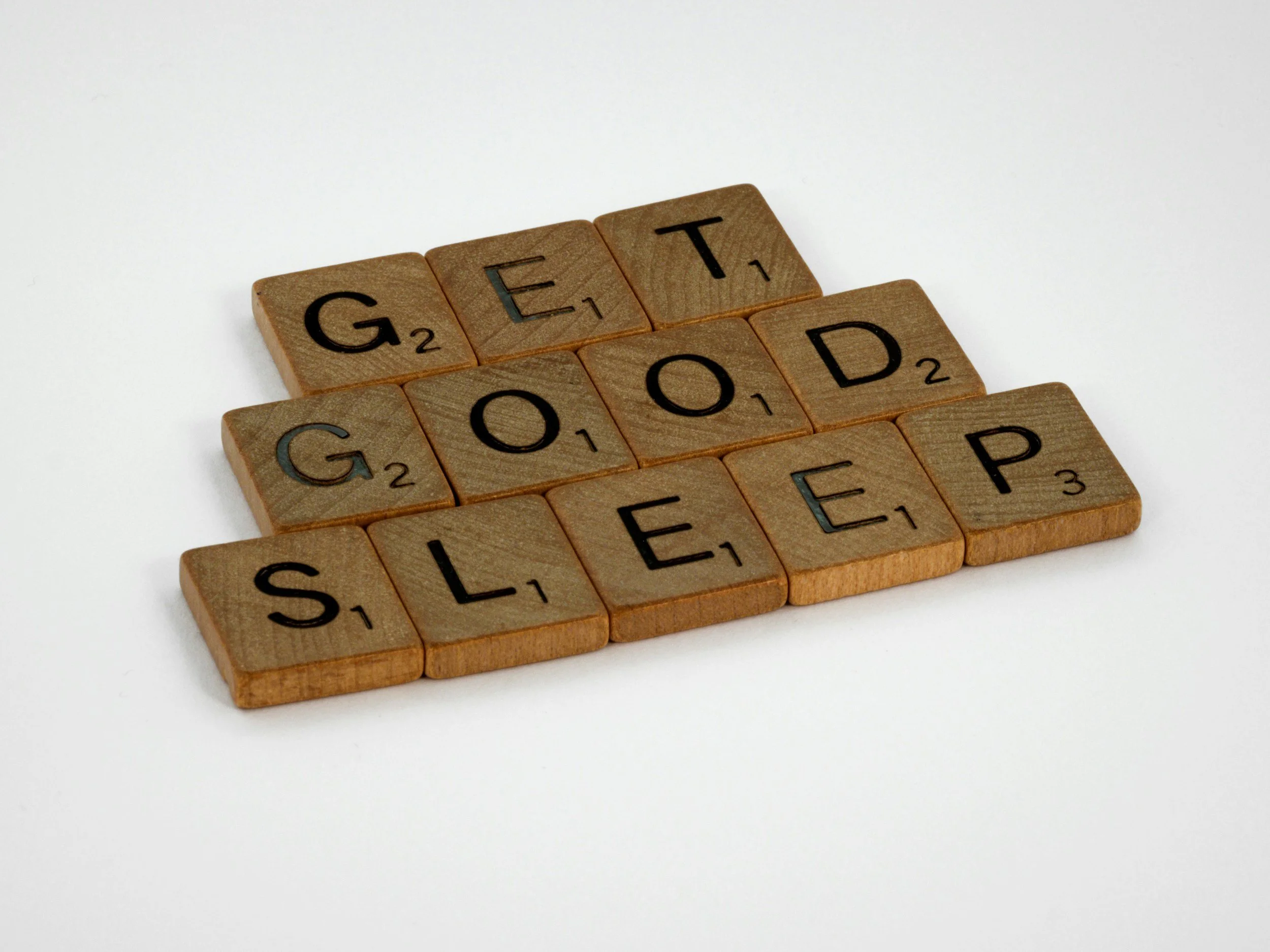
Sleep is one of the most powerful and overlooked pillars of mental health. The way you sleep directly impacts how you think, feel, and cope with life.
The Connection Between Sleep and Your Brain
While you sleep, your brain isn’t actually “shutting off.” It’s hard at work processing emotions, consolidating memories, and resetting stress levels. When you don’t get enough rest, your brain struggles to regulate emotions. That’s why even small problems can feel overwhelming after a bad night’s sleep. Sleep deprivation has also been closely linked to conditions like Depression and Anxiety, making symptoms more intense and harder to manage.
How Poor Sleep Impacts Mental Health
Lack of sleep doesn’t just make you tired—it affects your entire emotional system. Sleep deprivation is closely linked to conditions like depression and anxiety, making symptoms more intense and harder to manage.
When Sleep is Poor
· Irritability and mood swings increase
· Concentrating or making decisions becomes more difficult
· Stress levels increase
· Our ability to cope with challenges is decreased
· The risk of developing mental health disorders increases
Over time, chronic sleep deprivation can create a cycle: poor sleep worsens mental health, and struggling mental health makes it harder to sleep.
The Sleep–Mental Health Cycle
Sleep and mental health are deeply connected in a two-way relationship. Over time, chronic sleep deprivation can create a cycle: poor sleep worsens mental health, and struggling mental health makes it harder to sleep. For example, racing thoughts from anxiety can keep you awake at night, while low energy from depression can lead to oversleeping or insomnia. Breaking this cycle often starts with improving sleep habits—even small changes can make a big difference.
Signs Your Sleep Is Affecting Your Mental Health
You might not always connect your mood to your sleep, but here are some signs:
You feel emotionally overwhelmed more easily
You’re constantly fatigued, even after resting
You struggle with focus or memory
You feel unmotivated or low most days
Stressors feels harder to manage than usual
Simple Ways to Improve Sleep for Better Mental Health
You don’t need a perfect routine—just a consistent one.
Try these:
Stick to a sleep schedule – Go to bed and wake up at the same time daily
Limit screen time before bed – Blue light can disrupt your sleep cycle
Create a calming nighttime routine – Reading, stretching, or deep breathing
Watch caffeine intake – Especially in the afternoon and evening
Make your environment sleep-friendly – Cool, dark, and quiet
Even improving your sleep by an hour or two can significantly boost your mood and resilience.
Final Thoughts
Sleep isn’t just about rest—it’s about restoration. It’s how your mind resets, heals, and prepares for the next day.
If you’ve been struggling mentally, it might not just be what’s happening in your life—it could also be how well you’re sleeping.
Taking care of your sleep is one of the simplest, most powerful ways to take care of your mental health.
Brilliant Behavioral Health can help with both sleep and mental health and the complex relationship between the two. If you have been struggling with sleep give us a call at (856) 390-0696.
